



In today’s fast-paced digital world, AI-powered CRM systems have become central to how businesses operate. Whether it’s automating follow-ups or predicting customer behavior, CRM automation AI saves time and drives more intelligent decisions.
But there’s a growing debate: should companies rely on built-in CRM AI tools or create custom AI agents tailored to their unique workflows?
Both promise efficiency, yet they differ significantly in cost, control, and scalability. Understanding the trade-offs between Custom AI vs Built-In CRM AI is essential before committing to one path.
Let’s explore how each approach shapes your CRM’s performance and long-term business growth.
Understanding Built-In CRM AI
Built-in CRM AI refers to ready-made artificial intelligence features offered by platforms like Salesforce Einstein GPT, HubSpot AI tools, and SugarCRM predictive AI.
These systems come pre-integrated and are designed to make your CRM “smart” right from day one. They handle lead scoring, trend analysis, sales forecasting, and even content generation, all without requiring additional setup.
Because the CRM vendor develops them, they’re optimized for security, reliability, and ease of use. You simply activate the feature, connect your data, and the AI starts generating insights.
For many businesses, this seamless experience makes built-in CRM AI an attractive option.
What Does a Custom AI or Agent Mean in a CRM Context?
A custom AI or agentic AI layer is explicitly built to serve your organization’s unique needs. It’s developed using APIs, frameworks, or external AI models that interact directly with your CRM data.
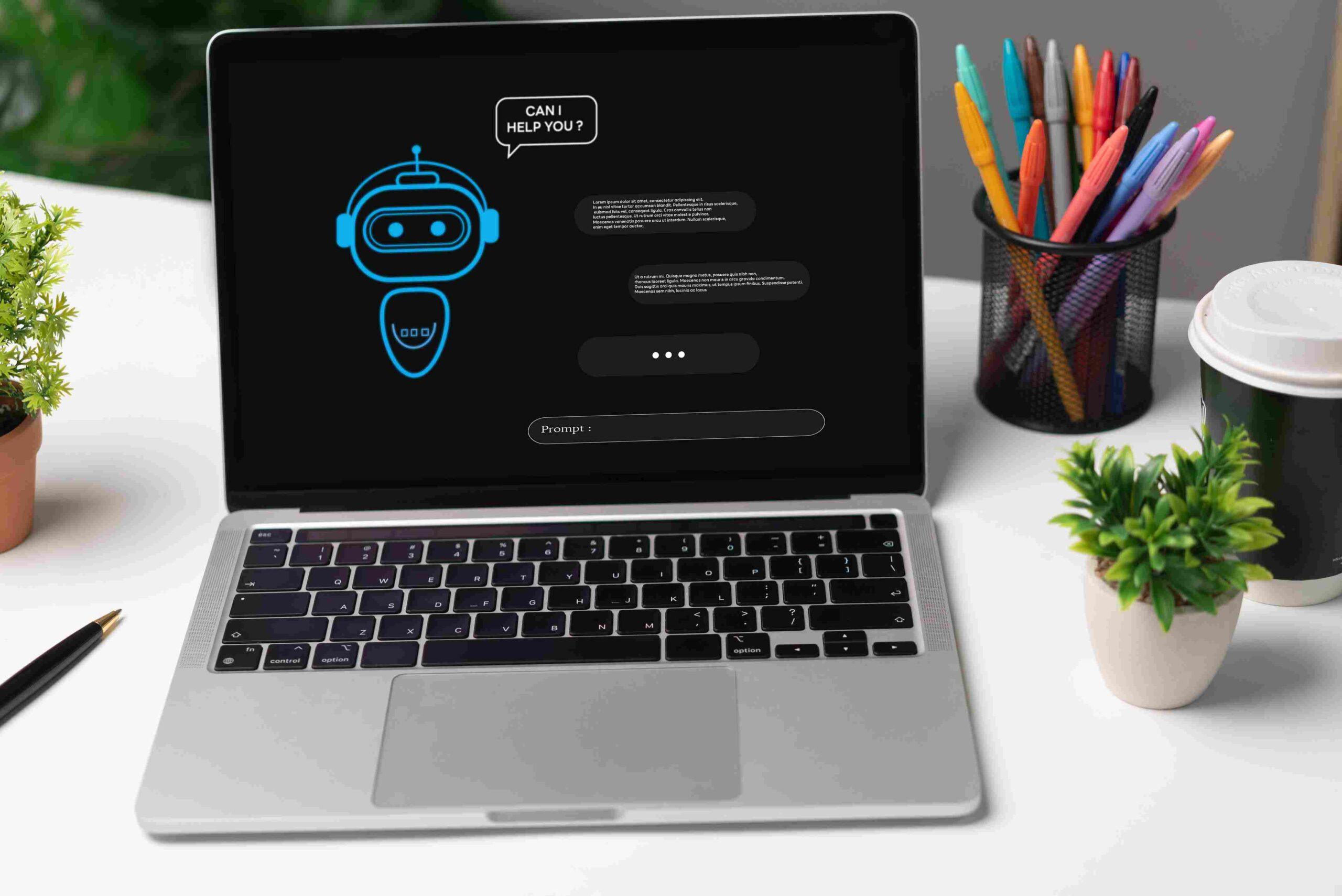
This can involve building a conversational AI agent for CRM that analyzes historical deals, predicts conversion probabilities, or automates repetitive tasks.
Unlike generic tools, custom AI development lets you define what the AI should learn, how it behaves, and which data it uses.
In short, a custom AI acts as an extension of your business strategy, not just your CRM software.
Advantages of Built-In CRM AI
The most substantial benefit of built-in CRM AI lies in its simplicity. It’s plug-and-play, no coding, no complex setup.
Teams can immediately use built-in intelligence for CRM data-driven automation, lead prioritization, or personalized campaigns.
Another plus is cost efficiency. Since the AI is already bundled into your CRM license, you don’t need a separate infrastructure or development team.
Vendor-managed updates ensure your AI stays compliant with GDPR, CCPA, and other privacy laws. This is particularly important for companies handling sensitive data.
For startups and mid-sized businesses, built-in AI brings instant automation and insights without technical hurdles, helping them compete with larger enterprises.
Limitations of Built-In CRM AI
Despite its convenience, built-in CRM AI has clear boundaries. It’s designed for broad use cases, not niche business models.
If your sales processes or data structures differ from the default setup, these tools may not fully adapt.
They also limit customization; you can’t always tweak the algorithm or access raw data for deeper analysis.
Integration challenges arise when trying to connect multiple systems, such as ERP or marketing platforms, that don’t fall within the CRM ecosystem.
Lastly, because all computation occurs in the vendor’s environment, some companies face CRM data privacy concerns. Your business must trust that the provider’s cloud and compliance measures meet your standards.

Advantages of Building a Custom AI / Agent
Creating a custom AI allows your organization to take complete control of automation and data intelligence.
You decide how the AI works, where data resides, and how it interacts with users.
A well-designed custom AI agent can process large data volumes, identify behavioral trends, and even recommend next steps for sales or support teams.
Custom AI is also ideal for industries with specialized requirements, such as healthcare, finance, or manufacturing, where regulatory or data constraints are strict.
For instance, a custom-built AI could score leads based on transaction history or flag compliance risks in real-time.
By tailoring AI integration with CRM, you gain competitive differentiation, operational accuracy, and efficiency that off-the-shelf AI cannot provide.
Challenges of Building Custom AI Agents
However, developing custom AI agents isn’t without challenges.
The upfront investment can be substantial, covering development, data cleaning, infrastructure, and model training.
It requires dedicated AI engineers and continuous monitoring to ensure models remain accurate.
You’ll also need a strong governance framework for data protection, especially if multiple systems share sensitive information.
Scalability is another concern, as your data grows, the AI models and infrastructure must expand too.
For many small businesses, these barriers make custom AI less practical unless the potential ROI clearly justifies it.
Key Factors to Consider Before Choosing
Before deciding between Custom AI vs Built-In CRM AI, evaluate three main aspects: complexity, cost, and customization needs.
If your CRM workflows are pretty standard, a built-in AI tool will meet most expectations.
But if you manage multi-channel sales, handle large datasets, or require predictive analytics beyond basic forecasting, custom AI could be the better investment.
Your internal technical capabilities also matter. Do you have data scientists, or will you rely on external partners?
Finally, consider long-term scalability as your customer base and data volume grow; your AI should grow with it.
When Built-In CRM AI Is Enough
For many businesses, built-in CRM AI is more than enough.
If your goal is automating repetitive tasks, improving forecasts, or personalizing customer communication, native CRM intelligence can easily handle it.
For example, HubSpot AI tools can suggest better email copy and improve marketing workflows instantly. Similarly, Salesforce Einstein GPT enhances sales forecasting and automates opportunity updates.
These solutions deliver reliable automation with minimal setup. You save time, reduce dependency on IT, and gain quick wins without ongoing maintenance costs.
In short, built-in AI gives small and medium businesses a fast, low-risk path to modernization.
When to Invest in a Custom AI or Agentic Layer
Large enterprises or data-heavy businesses often find built-in AI too restrictive.
If your workflows involve cross-department collaboration, multi-platform data, or high customization, custom AI becomes invaluable.
You can design an agentic AI for business that processes live data, learns continuously, and adapts to specific KPIs.
Imagine a telecom provider using a custom AI to predict churn, or a retailer generating personalized product bundles through dynamic pricing.
These high-value scenarios justify the time and cost of building a tailored AI system.
Ultimately, CRM AI limitations fade when you have an AI layer built entirely around your ecosystem.
Hybrid Approaches: Best of Both Worlds
Many organizations now adopt a hybrid approach blending built-in CRM AI with custom AI agents to balance cost and flexibility.
In this model, built-in AI handles general automation like email suggestions or pipeline scoring, while a custom AI manages domain-specific workflows.
For instance, you might rely on Salesforce Einstein GPT for lead insights but integrate a custom AI for inventory forecasting or compliance checks.
Hybrid setups reduce development effort, accelerate deployment, and still give businesses the customization they need.
They also allow gradual scaling; you can start small with built-in tools and add custom AI capabilities over time.
This approach works particularly well for mid-sized enterprises exploring AI scalability without overcommitting resources.

ROI and Total Cost Comparison
The cost difference between Custom AI and Built-In CRM AI is significant.
Built-in CRM AI usually comes included in your license or available as a low-cost add-on. The ROI appears faster since the time to deployment is minimal.
However, these benefits plateau once your needs go beyond the tool’s limitations.
Custom AI development, though expensive upfront, delivers long-term value by automating specialized processes and improving accuracy.
A well-trained custom AI can reduce manual errors, speed up decision-making, and enhance customer experience outcomes that directly increase revenue.
To calculate ROI, factor in maintenance, training, data costs, and the potential productivity gain over three to five years.
In many cases, companies that outgrow default CRM AI tools find custom development more profitable over time.
Conclusion: Matching AI Strategy to Business Complexity
The decision between built-in CRM AI and custom AI development depends on one core question: how complex is your business?
If you’re aiming for quick automation, built-in solutions like HubSpot AI tools or Salesforce Einstein GPT can transform efficiency immediately.
But if your CRM must connect across multiple systems, process unique datasets, or support agentic decision-making, custom AI becomes a strategic asset.
A hybrid AI strategy often provides the ideal middle ground, combining built-in intelligence for simplicity and custom agents for more profound insight.
Ultimately, success depends on aligning AI capabilities with your business goals, not just adopting the newest tool.
To stay competitive, evaluate your workflows, data depth, and customer journey, then choose the AI model that scales with you.
And if your team is ready to explore AI integration with CRM, consider consulting with experts who specialize in AI customization and CRM automation for business growth.
FAQs
What is the difference between built-in CRM AI and custom AI?
Built-in CRM AI offers pre-configured intelligence within CRMs like Salesforce or HubSpot. Custom AI is designed from scratch for your organization’s specific workflows.
How expensive is it to build a custom AI?
Initial custom AI development can be costly, but long-term efficiency gains often offset the investment.
Are built-in CRM AI tools secure?
Yes, they are usually vendor-managed and compliant with GDPR and major data privacy laws. Still, verify how your data is stored and processed.
When should a business move from built-in to custom AI?
When data volume, complexity, or integration requirements exceed what built-in tools can handle effectively.
Can I combine both approaches?
Absolutely. Many businesses use hybrid AI systems that combine vendor AI features with custom-built agents.
Does custom AI offer better scalability?
Yes, because you control the architecture. You can train and expand models as your business grows.
What are the most significant risks of building custom AI?
Costs, maintenance, and compliance risks if data governance is weak or resources are limited.